Radiant Resilience: Finding Beauty in Adversity

Top 10 Beauty Trends in Malaysia: Embracing Diversity and Innovation - AEON  CO. (M) BHD.

Beauty, a concept as ancient as humanity itself, transcends time and culture, weaving its threads through the tapestry of human existence. It is a multifaceted phenomenon that extends far beyond the surface, encompassing not only physical aesthetics but also a deeper, more profound essence. In this article, we embark on a journey to explore the timeless allure of beauty, examining its definition, evolution, and the profound impact it has on individuals and society.

Defining Beauty:

Beauty is a subjective concept, varying from person to person and culture to culture lumenis. While some may associate it primarily with physical appearance, others recognize its presence in kindness, intelligence, or even resilience. This diversity of perspectives emphasizes the complexity of beauty, as it defies a one-size-fits-all definition.

Physical beauty, often the most immediate and tangible aspect, includes features such as symmetry, proportion, and aesthetic appeal. However, as society progresses, there is a growing acknowledgment that true beauty encompasses inner qualities such as empathy, compassion, and authenticity.

Evolution of Beauty:

Throughout history, the definition of beauty has undergone significant transformations, influenced by cultural, societal, and technological shifts. In ancient civilizations, beauty ideals were often linked to health and fertility, while renaissance art celebrated the human form in all its glory. The modern era has witnessed a surge in diverse representations of beauty, challenging traditional standards and embracing individuality.

The impact of media and technology cannot be overlooked in shaping contemporary beauty standards. Social media platforms have empowered individuals to redefine beauty on their terms, fostering a more inclusive and accepting landscape. Beauty is no longer confined to conventional norms, as people celebrate uniqueness and diversity.

Beauty’s Influence on Society:

The concept of beauty holds a powerful sway over society, impacting self-esteem, confidence, and interpersonal relationships. It serves as a currency in social interactions, influencing perceptions and judgments. The beauty industry, with its myriad products and services, has become a global powerhouse, reflecting society’s perpetual pursuit of an idealized aesthetic.

While the pursuit of beauty can inspire creativity and self-expression, it also raises concerns about unrealistic standards and the potential for negative impacts on mental health. The pressure to conform to societal beauty norms can lead to feelings of inadequacy and contribute to issues like body dysmorphia and eating disorders.

Conclusion:

Beauty, with its ever-changing and diverse nature, remains a fascinating and influential aspect of human existence. Its definition continues to evolve, reflecting the dynamism of societies and individuals. As we navigate the complexities of beauty, it is essential to embrace a holistic perspective that appreciates both the external and internal facets, fostering a culture that values authenticity, diversity, and self-acceptance. In doing so, we can redefine beauty as a force that uplifts and unites rather than divides and excludes.

Unlocking Financial Freedom: Strategies to Eliminate Debt

What Is Debt: Definition, Bad Debts & Debt Management Practices in 2022

Debt is a ubiquitous aspect of modern financial landscapes, touching the lives of individuals, businesses, and even nations. While it can be a valuable tool for achieving goals and managing cash flow, debt can also become a burden if not handled wisely. This article aims to explore the various facets of debt, from its types and causes to strategies for effective management and eventual liberation.

Types of Debt:

Debt comes in various forms, each serving different purposes and accompanied by distinct implications. Common types of debt include:

  1. Consumer Debt: This category encompasses debts incurred by individuals for personal consumption, such as credit card balances, drp personal loans, and installment plans.
  2. Mortgage Debt: Many individuals and families take on mortgage debt to finance the purchase of a home. While this is a substantial long-term commitment, it is often considered a sound investment.
  3. Student Loans: Education-related debts are prevalent, with students often taking out loans to fund their academic pursuits. Managing student loan debt can be a challenge for recent graduates entering the workforce.
  4. Business Debt: Companies may leverage debt to fund expansion, research, and other operational needs. Business debt is often a calculated risk, but mismanagement can lead to financial instability.

Causes of Debt:

Understanding the root causes of debt is crucial for developing effective strategies to manage and overcome financial challenges. Some common causes include:

  1. Unforeseen Expenses: Medical emergencies, car repairs, and other unexpected expenses can force individuals into debt if they lack sufficient savings.
  2. Job Loss or Income Reduction: Sudden job loss or a significant reduction in income can disrupt financial stability, leading individuals to rely on credit to cover essential expenses.
  3. Poor Financial Planning: Inadequate budgeting and financial planning can contribute to accumulating debt, as individuals may overspend without a clear understanding of their financial capabilities.
  4. High-Interest Rates: Accumulating debt with high-interest rates can quickly spiral out of control, making it challenging for borrowers to repay the principal amount.

Debt Management Strategies:

  1. Budgeting: Creating and sticking to a realistic budget is the foundation of effective debt management. Understanding income, expenses, and setting priorities can help individuals allocate funds wisely.
  2. Emergency Fund: Building an emergency fund provides a financial safety net for unexpected expenses, reducing the need to rely on credit cards or loans in times of crisis.
  3. Consolidation: For those with multiple debts, consolidation can simplify repayment by combining them into a single, more manageable loan with a potentially lower interest rate.
  4. Negotiation with Creditors: Communicating with creditors can lead to negotiated repayment plans, lower interest rates, or even debt settlement arrangements, providing relief to those struggling with repayment.

Overcoming Debt:

  1. Debt Snowball Method: This strategy involves paying off the smallest debts first, gaining momentum and motivation to tackle larger ones gradually.
  2. Debt Avalanche Method: Focusing on debts with the highest interest rates first can save money in the long run, even if they are not the largest debts.
  3. Financial Counseling: Seeking guidance from financial counselors or debt relief agencies can provide personalized advice and strategies to overcome debt.

Conclusion:

While debt is a common aspect of modern life, it is essential to approach it with caution and a strategic mindset. Understanding the types and causes of debt, coupled with effective management strategies, can empower individuals and businesses to overcome financial challenges and achieve long-term financial stability.

Revitalize, Reuse, Recycle: Navigating the World of Smartphone Recycling

Open for Discussion: Be Smart—Recycle that Old Cell Phone! - American  Chemical Society

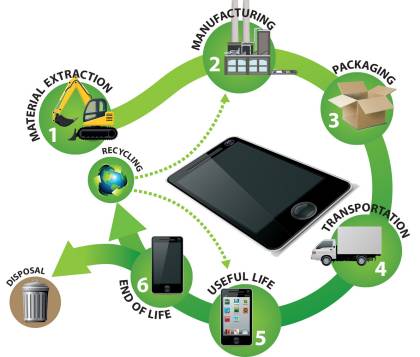
In the rapidly evolving landscape of technology, smartphones have become an indispensable part of our daily lives. With new models constantly hitting the market, it’s not uncommon for users to upgrade their devices regularly. However, the environmental impact of this constant cycle of consumption and disposal cannot be ignored. Enter smartphone recycling, a crucial aspect of sustainable living that aims to minimize electronic waste and promote responsible consumption.

The Growing Issue of Electronic Waste:

Electronic waste, or e-waste, is a global concern as the discarded devices contribute significantly to environmental pollution. Smartphones, being a major contributor to this issue, contain hazardous materials such as lead, mercury, and cadmium. 二手手機回收價格 Improper disposal of these devices can lead to the release of harmful chemicals into the environment, posing risks to both human health and ecosystems.

The Importance of Smartphone Recycling:

  1. Resource Conservation: Recycling smartphones helps recover valuable materials like gold, silver, and copper. Extracting these metals from raw materials is energy-intensive and often involves environmentally damaging mining practices. By recycling, we reduce the need for new mining activities, conserving natural resources and minimizing the environmental impact.
  2. Hazardous Material Management: Smartphones contain hazardous substances that, when not properly handled, can pose severe risks. Recycling facilities are equipped to extract and dispose of these materials safely, preventing them from entering landfills and contaminating the soil or water.
  3. Energy Savings: Manufacturing new smartphones requires a significant amount of energy. By recycling and reusing materials from old devices, we can reduce the demand for energy-intensive processes involved in the production of new phones. This contributes to a decrease in greenhouse gas emissions and lessens the overall carbon footprint associated with smartphone manufacturing.
  4. Reducing Landfill Burden: E-waste often ends up in landfills, leading to environmental degradation and the release of toxic substances. By recycling smartphones, we divert these devices from landfills, alleviating the burden on waste management systems and preventing the release of harmful pollutants.
  5. Promoting a Circular Economy: Smartphone recycling is a key component of the circular economy, where products are designed to be reused, refurbished, or recycled. This approach minimizes waste, extends the lifespan of products, and reduces the overall environmental impact of consumer electronics.

How to Recycle Smartphones:

  1. Manufacturer Programs: Many smartphone manufacturers have initiated recycling programs where users can return their old devices. These programs often include incentives like discounts on new purchases, making it a win-win for consumers and the environment.
  2. Electronic Waste Recycling Centers: Numerous e-waste recycling centers accept old smartphones. These facilities are equipped to handle the proper disposal and recycling of electronic devices, ensuring that hazardous materials are managed safely.
  3. Retailer Takeback Programs: Some retailers offer takeback programs, allowing customers to drop off their old smartphones for recycling when purchasing a new device. This initiative encourages responsible disposal and reduces the environmental impact of electronic waste.

Conclusion:

Smartphone recycling is a vital step towards a more sustainable future. As consumers, we play a crucial role in mitigating the environmental impact of our electronic devices. By choosing to recycle our old smartphones, we contribute to resource conservation, reduce electronic waste, and support the shift towards a circular economy. Embracing smartphone recycling is not just a responsible choice; it’s an essential part of building a greener and more sustainable world for generations to come.

The Power of Paper: Rediscovering the Beauty of Print

Printing, an age-old practice that has evolved alongside human civilization, continues to play a pivotal role in shaping the way we communicate and share information. In this comprehensive guide, we will delve into the intricacies of printing, exploring what it is, how it works, and the various ways it can be utilized to meet modern demands.

What is Printing?

Printing, at its core, is the reproduction of text and images onto various surfaces, such as paper or fabric, through a mechanical or digital process. The primary goal is to create multiple copies of the same content efficiently and accurately.

How Does Printing Work?

The printing process varies based on the technology employed 海報印刷. Traditional methods, such as letterpress and offset printing, involve transferring ink onto a surface through plates, while modern digital printing relies on electronic files and devices like laser or inkjet printers. Understanding the nuances of each method allows for informed decision-making when selecting the appropriate printing technology for a given project.

How to Optimize Printing for SEO:

In an era dominated by digital communication, optimizing printed materials for search engines might seem unconventional. However, integrating SEO principles into printed content can enhance visibility. Consider incorporating relevant keywords in headlines, captions, and body text. Additionally, provide a clear call-to-action and include contact information to encourage readers to seek more information online.

How Can Printing Enhance Marketing Strategies?

Printed materials remain an integral part of marketing strategies, offering a tangible and memorable way to connect with audiences. Utilize eye-catching designs, high-quality images, and compelling copy to create visually appealing print materials. Combining print and digital marketing efforts can result in a cohesive and impactful campaign that reaches a broader audience.

What Are the Environmental Impacts of Printing?

While printing is a powerful tool, it is essential to address its environmental footprint. Choose sustainable materials, such as recycled paper, and explore eco-friendly printing practices. Implementing responsible printing techniques, like using vegetable-based inks and minimizing waste, can contribute to a more environmentally conscious approach.

How Do 3D Printing Technologies Revolutionize Industries?

3D printing, a groundbreaking technology, has revolutionized various industries by enabling the creation of three-dimensional objects layer by layer. From healthcare to manufacturing, 3D printing offers unprecedented possibilities. Understanding the applications and potential benefits of 3D printing can open new avenues for innovation and efficiency in diverse sectors.

Conclusion:

In conclusion, printing remains a dynamic and indispensable aspect of our communication landscape. From traditional methods to cutting-edge technologies, the world of printing continues to evolve. By understanding what printing is, how it works, and the diverse opportunities it presents, individuals and businesses can harness its power to convey messages effectively and make a lasting impact. Embracing SEO optimization and considering environmental implications further ensures that printing aligns with contemporary values and standards. As we navigate the ever-changing landscape of communication, printing stands as a timeless and versatile medium that continues to shape the way we share information.

Unveiling the Best WordPress Hosting: Your Ultimate Guide to Top-notch Services

Choosing the right hosting provider is a critical decision for anyone looking to build a website on WordPress. With a plethora of options available, finding the best WordPress hosting can be a daunting task. To make this process easier for you, we have meticulously evaluated various hosting providers to bring you a curated list of the top choices. In this article, we will explore the best web hosting for WordPress, delve into managed WordPress hosting, and dissect various WordPress hosting plans best web hosting for wordpress.

WordPress is a popular platform for hosting websites, and there are several top-rated providers for hosting WordPress websites. Bluehost, SiteGround, Kinsta, A2 Hosting, DreamHost, WP Engine, and Flywheel are some of the top WordPress hosting providers. Bluehost offers a user-friendly interface, robust security features, excellent uptime, and 24/7 customer support.

SiteGround is known for its speed and top-notch customer support, offering automatic updates, daily backups, and a built-in caching system for optimal performance. Kinsta is a premium managed WordPress hosting provider with lightning-fast loading times and automatic scaling.

A2 Hosting is known for its high-speed performance, with turbo servers and optimized caching enhancing website speed and responsiveness. DreamHost is a reliable hosting provider with a strong emphasis on WordPress compatibility, offering a user-friendly dashboard, automatic updates, and free SSL certificates.

WP Engine is a leader in managed WordPress hosting, offering a fully optimized platform with features like automatic updates, daily backups, and robust security. Flywheel is a user-friendly platform for managed WordPress hosting, offering features like free site migrations, automatic backups, and a staging environment. When selecting a WordPress hosting plan, consider factors such as site traffic, storage requirements, and additional features.

Conclusion:

Choosing the best WordPress hosting is crucial for the success of your website. Whether you opt for a shared hosting plan, a managed WordPress service, or a dedicated hosting solution, prioritize factors like speed, security, and customer support. With our carefully curated list of top hosting providers, you can confidently embark on your WordPress journey, knowing you have chosen a reliable and efficient hosting partner.

Spaces that Speak: A Language of Interior Design Brilliance

When it comes to creating a harmonious and aesthetically pleasing living or working environment, interior design and decoration play pivotal roles. These artful practices not only enhance the visual appeal of spaces but also contribute to the overall well-being and functionality of the inhabitants. In this comprehensive guide, we will delve into the intricacies of interior design and decoration, exploring the what, how, and why behind these creative processes.

What is Interior Design?

Interior design is the art and science of enhancing the interior of a space to create a healthier and more aesthetically pleasing environment for the people using it. It involves a combination of artistic flair, architectural knowledge, and practical considerations to transform a blank canvas into a well-designed and functional space.

How Does Interior Design Differ from Decoration?

While interior design and decoration are often used interchangeably, they have distinct differences. Interior design is a more comprehensive process that involves planning the layout, optimizing functionality, and considering spatial arrangements 裝修. On the other hand, interior decoration focuses primarily on enhancing the visual appeal through the selection of color schemes, furnishings, and decorative elements.

How to Begin Your Interior Design Journey:

Assessing Your Space:Start by evaluating the space you want to design or decorate. Consider the size, layout, and existing architectural elements. Identify the purpose of the space and the needs of its users.

Defining Your Style:Explore different interior design styles to discover what resonates with you. Whether it’s contemporary, minimalist, traditional, or eclectic, understanding your preferred style will guide your design decisions.

Creating a Budget:Establish a realistic budget for your project. This will help you prioritize design elements, select appropriate materials, and avoid overspending.

How Can You Incorporate Sustainability into Interior Design?

Choose Sustainable Materials:Opt for eco-friendly and sustainable materials that have minimal environmental impact. This includes using recycled or upcycled furniture, energy-efficient lighting, and low-VOC (volatile organic compound) paints.

Energy-Efficient Design:Integrate energy-efficient design principles, such as maximizing natural light, using thermal mass, and selecting energy-efficient appliances. This not only benefits the environment but also reduces long-term energy costs.

What are the Latest Trends in Interior Design?

Biophilic Design:Embrace the connection between nature and design by incorporating natural elements such as plants, natural light, and sustainable materials.

Bold Colors and Patterns:Experiment with vibrant colors and bold patterns to add personality and drama to your space. This trend allows for creative expression and can transform a room into a lively and dynamic environment.

How Do Lighting and Color Choices Impact Interior Design?

The Power of Lighting:Understand the importance of lighting in interior design. Proper lighting can enhance the mood, highlight architectural features, and make a space feel more inviting. Incorporate a mix of ambient, task, and accent lighting for a well-balanced design.

Color Psychology:Explore the psychological effects of colors and how they can influence emotions and behavior. Warm colors like red and orange evoke energy and excitement, while cool colors like blue and green create a calming and serene atmosphere.

In Conclusion:

Interior design and decoration are dynamic processes that go beyond mere aesthetics. They have the potential to transform spaces into functional, visually appealing, and emotionally satisfying environments. By understanding the principles, incorporating sustainable practices, and staying abreast of the latest trends, you can embark on a journey to create a space that truly reflects your style and enhances your quality of life.

The Art and Science of Content Marketing

In today’s dynamic business landscape, effective marketing is the linchpin that can propel a brand to new heights. Understanding the intricacies of marketing is crucial for businesses seeking sustainable growth and widespread recognition. In this comprehensive guide, we will delve into the fundamental aspects of marketing, exploring what it is, how it operates, and providing practical insights on optimizing your marketing strategies.

What is Marketing?

At its core, marketing is the strategic process of promoting and selling products or services. It involves a series of activities aimed at creating awareness, generating interest, and ultimately driving customer acquisition. From traditional approaches to modern digital strategies, marketing encompasses a vast array of methods that businesses utilize to connect with their target audience.

How Does Marketing Work?

Marketing functions as a dynamic ecosystem where businesses engage with potential customers through various channels. It involves thorough market research to understand customer needs and preferences. Once armed with this information, businesses craft compelling messages and deploy them across platforms to capture attention branding agency hk. The ultimate goal is to create a positive perception of the brand, nurture customer loyalty, and drive conversions.

How to Develop an Effective Marketing Strategy:

Crafting an effective marketing strategy is imperative for businesses looking to stand out in a crowded market. Begin by identifying your target audience and understanding their needs. Develop a unique value proposition that sets your brand apart from the competition. Leverage both online and offline channels strategically to reach your audience. Social media, content marketing, email campaigns, and search engine optimization (SEO) are vital components of a well-rounded marketing plan.

How Can Businesses Utilize Digital Marketing?

Digital marketing has become an integral part of the modern marketing landscape. Leveraging online platforms and tools, businesses can expand their reach exponentially. Social media marketing allows for direct interaction with audiences, while content marketing helps establish expertise and credibility. Email campaigns and search engine optimization (SEO) are crucial for improving online visibility and driving organic traffic.

What Are the Key Components of a Successful Marketing Campaign?

A successful marketing campaign comprises several key components. A clear understanding of the target audience, a compelling message, and a strategic distribution plan are fundamental. Consistency across various marketing channels ensures a cohesive brand image. Additionally, monitoring and analyzing campaign performance through analytics tools enable businesses to refine their strategies for optimal results.

How Do Businesses Adapt to Changing Marketing Trends?

The marketing landscape is constantly evolving, with new trends emerging regularly. Businesses must remain agile and adapt to these changes to stay relevant. Staying informed about industry trends, consumer behavior, and emerging technologies is essential. Regularly evaluate and update your marketing strategies to align with current market dynamics.

Conclusion:

In conclusion, marketing is a multifaceted discipline that requires a strategic approach for success. By understanding what marketing is, how it works, and implementing effective strategies, businesses can position themselves for growth and sustained success. Embracing digital marketing tools, staying abreast of industry trends, and consistently refining your approach will empower your brand to thrive in an ever-changing business landscape.

The Zen of Interior Spaces: Creating Tranquil Living Environments

In the realm of creating captivating and functional living spaces, interior design and decoration play a pivotal role. Whether you are embarking on a home makeover or seeking inspiration for a new space, understanding the intricacies of interior design can be a game-changer. This comprehensive guide will delve into the fundamentals of interior design, answering essential questions like what it is, how it works, how to implement it, and much more.

What is Interior Design?

Interior design is the art and science of enhancing the interior of a space to create a more aesthetically pleasing and functional environment. It involves a combination of creativity, technical expertise, and a deep understanding of the inhabitants’ needs interior design. Interior designers are skilled professionals who transform spaces into visually appealing and harmonious compositions.

How Does Interior Design Work?

Interior design works by considering various elements such as color schemes, furniture arrangement, lighting, and accessories to create a cohesive and inviting atmosphere. Designers aim to optimize the functionality of a space while reflecting the client’s personality and preferences. The process typically involves a thorough analysis of the client’s requirements, conceptualizing a design plan, and implementing it with attention to detail.

How to Get Started with Interior Design?

Getting started with interior design involves a step-by-step process:

Define Your Style: Begin by identifying your personal style preferences. Explore different design styles such as modern, traditional, minimalist, or eclectic to determine what resonates with you.

Set a Budget: Establish a realistic budget for your project. This will guide your choices and help you prioritize essential elements within your financial constraints.

Create a Mood Board:

Compile images, color swatches, and inspirations into a mood board. This visual tool will serve as a reference point throughout the design process.

Consider Functionality:

Prioritize functionality based on the purpose of each space. For example, a living room may require comfortable seating, while a home office needs efficient workspace solutions.

Choose Color Schemes and Materials: Select color schemes and materials that align with your style and contribute to the desired ambiance. Consider factors like durability and maintenance when choosing materials.

How Can Interior Design Impact Your Well-Being?

Interior design goes beyond aesthetics; it can significantly impact your overall well-being. A well-designed space promotes comfort, reduces stress, and enhances productivity. Factors such as lighting, ventilation, and the arrangement of furniture can influence mood and contribute to a healthier living environment.

What Are the Latest Trends in Interior Design?

Staying updated with the latest trends can provide inspiration for your design journey. Some current trends include:

Biophilic Design: Integrating natural elements into interiors to create a connection with the outdoors.

Sustainable Design: Embracing eco-friendly materials and practices to reduce environmental impact.

Maximalism: Bold patterns, vibrant colors, and eclectic combinations to create visually rich and dynamic spaces.

How Do I Choose the Right Furniture and Accessories?

Selecting the right furniture and accessories is crucial for a well-rounded design. Consider the following tips:

Measure Your Space: Ensure furniture fits well within the dimensions of your room to avoid overcrowding or underutilization of space.

Mix and Match: Combine different textures, materials, and styles to add visual interest and personality to your space.

Invest in Quality: Prioritize quality over quantity. Well-crafted furniture and accessories tend to last longer and contribute to the overall longevity of your design.

Conclusion:

Interior design and decoration are powerful tools for transforming spaces and enhancing the quality of life. By understanding the fundamental concepts, embracing personal style, and staying attuned to current trends, you can embark on a rewarding journey of creating a home that reflects your unique personality and meets your practical needs. Remember, the key to successful interior design lies in the seamless integration of aesthetics and functionality, making every space a true reflection of those who inhabit it.

Sparkling Symmetry: Choosing the Perfect Diamond Shape

Diamonds, the timeless treasures that have captivated humanity for centuries, are not merely dazzling gemstones but encapsulate a world of brilliance, rarity, and enduring beauty. In this comprehensive guide, we will delve into the facets of diamonds, exploring their origins, unique properties, and the age-old fascination that surrounds them.

What is a Diamond?

A diamond, chemically composed of carbon atoms arranged in a crystal lattice structure, is a precious gemstone formed deep within the Earth’s mantle under intense pressure and heat 鑽石. Renowned for its exceptional hardness, diamonds are the hardest known natural material, scoring a perfect 10 on the Mohs scale.

How Does a Diamond Form?

Diamonds undergo a remarkable journey, beginning as carbon atoms subjected to immense heat and pressure deep within the Earth’s mantle. Over millions of years, volcanic eruptions bring these precious gems closer to the surface, where they cool and solidify. This intricate process results in the creation of diamonds with distinct characteristics, including color, clarity, cut, and carat weight – collectively known as the 4 Cs.

How to Identify a Genuine Diamond:

Identifying a genuine diamond requires an understanding of the 4 Cs:

  1. Color: Diamonds come in various colors, with the most valuable being colorless. The Gemological Institute of America (GIA) grades diamonds on a scale from D (colorless) to Z (light yellow or brown).
  2. Clarity: Clarity refers to the presence of internal or external flaws, known as inclusions and blemishes, respectively. The fewer the imperfections, the higher the clarity grade.
  3. Cut: The cut of a diamond determines its brilliance and overall appearance. A well-cut diamond reflects light beautifully, enhancing its sparkle.
  4. Carat Weight: Carat weight measures the size of the diamond. Larger diamonds are rarer and, consequently, more valuable.

How Can Diamonds Be Ethically Sourced?

In recent years, ethical concerns surrounding diamond mining have prompted the rise of conflict-free or ethical diamonds. Consumers can choose diamonds certified by organizations like the Kimberley Process, ensuring that the gemstone has been sourced responsibly, without supporting conflict or human rights abuses.

What Are the Different Diamond Shapes?

Diamonds come in various shapes, each with its unique charm. Popular shapes include round, princess, emerald, asscher, marquise, pear, oval, and radiant. The choice of shape often reflects individual preferences and styles.

How Do Diamonds Symbolize Love and Commitment?

Diamonds have long been associated with love and commitment, symbolizing endurance and eternity. Engagement rings adorned with diamonds are a timeless expression of enduring love, marking significant milestones in relationships.

Conclusion:

In conclusion, diamonds are not just dazzling gemstones; they are the result of nature’s intricate craftsmanship over millions of years. From their formation deep within the Earth to the careful consideration of the 4 Cs, diamonds embody a rare combination of beauty, durability, and symbolism. Whether as a symbol of love, a fashion statement, or a wise investment, diamonds continue to capture the hearts of people worldwide.

The Benefits of Joining a Mentor Group for Business Owners

Imagine having a circle of savvy companions who realize the ropes of business, geared up to share their victories and help you tackle demanding situations. That’s the essence of a mentor organization for enterprise owners – a near-knit community wherein collective expertise becomes an effective asset. In this chat, we are delving into the high-quality world of mentor groups, discussing how those gatherings of experienced minds can bring significant advantages to enterprise owners like yourself. It’s like having a bunch of enterprise friends cheering you on. 

So, allow’s leap into our important subject matter and discover the fantastic blessings that include joining a mentor group for enterprise owners.

Collective Wisdom

Joining a mentor institution for commercial enterprise proprietors opens the door to a tremendous reservoir of collective know-how. Within this community, experienced entrepreneurs pool their knowledge, insights, and instructions found over years of navigating the tricky landscape of enterprise. The collective expertise will become a treasured aid, presenting various perspectives and modern answers to the demanding situations enterprise proprietors generally face.

Networking Opportunities

A mentor institution serves as a thriving hub for networking opportunities. Business proprietors hook up with like-minded folks who have a passion for entrepreneurship. Networking inside the mentor organization extends past traditional circles, introducing proprietors to new contacts, capacity collaborators, and even potential clients. This expansive community will become a powerful asset, fostering collaborations and commencing doors to new commercial enterprise opportunities.

Skill Enhancement

In the mentor institution setting, enterprise proprietors have the opportunity for continuous skill enhancement. Whether it’s honing leadership competencies, gaining knowledge of strategic planning, or growing effective communication skills, the mentor group presents a platform for ongoing getting to know. The trade of understanding in the group contributes to the professional development of every member, empowering them with a diverse skill set crucial for enterprise fulfillment.

Shared Experiences

Business possession is an adventure packed with highs and lows, victories, and challenges. In a mentor institution, members percentage their stories brazenly. This shared exchange of triumphs and setbacks creates a supportive surrounding where commercial enterprise proprietors can analyze each other’s journeys. These shared reviews offer treasured insights, supporting participants to assume demanding situations, have a good time success, and navigate the unpredictable terrain of entrepreneurship.

Problem-Solving

One of the standout benefits of a mentor group is the collective hassle-fixing capability it offers. When a business owner encounters a mission, the institution will become an assumed tank, supplying numerous views and actionable answers. The combined brainpower of the mentor institution will become a robust device for overcoming boundaries and finding revolutionary approaches to complicated enterprise dilemmas.

Emotional Support

The emotional rollercoaster of entrepreneurship may be extreme, and a mentor institution presents a crucial pillar of emotional assistance. Business proprietors in the organization percentage no longer simplest realistic advice but also empathetic information. Whether dealing with setbacks or celebrating victories, the mentor group will become a trusted circle wherein proprietors can express their feelings, advantage encouragement, and locate solace within the camaraderie of fellow marketers.

Business Growth

Joining a mentor group at once contributes to business growth. The insights, skills, and connections received inside the group create a fertile floor for expanding commercial enterprise ventures. The collaborative spirit fosters a surrounding conducive to exploring new opportunities, getting into untapped markets, and implementing strategic tasks that propel enterprise increase.

Accountability Boost

Accountability is a cornerstone of success, and a mentor organization reinforces this precept. Within the organization, commercial enterprise proprietors set goals, percentage them with friends, and acquire both encouragement and mild nudges to live on track. This collective accountability boosts the dedication of each member to their commercial enterprise targets, enhancing their recognition, dedication, and in the long run, their possibilities of fulfillment.

Conclusion

The adventure of enterprise possession turns into infinitely richer while embraced within a mentor organization. The collective understanding, networking opportunities, and shared reviews create a tapestry of support, propelling proprietors toward fulfillment. The mentor organization will become a dynamic area for skill enhancement, trouble-fixing, and emotional fortitude, fostering now not just character increase but additionally contributing to the overall vitality of the entrepreneurial community. With the responsibility to improve and business growth catalyzed by using this collective synergy, joining a mentor group emerges as a transformative desire, providing commercial enterprise owners now not just steerage, but a tribe that shares the triumphs and tribulations of the entrepreneurial voyage.